PLG Supplies – Full Guide to Products, and Industry Growth!
PLG Supplies refers to essential products, tools, materials, and equipment used across industries to improve efficiency, safety, maintenance, and operations while supporting business growth, productivity, and supply chain reliability.
In today’s rapidly evolving industrial and commercial landscape, PLG Supplies has become a widely discussed term across multiple sectors. Depending on the context, PLG supplies may refer to essential industrial materials, plumbing and gas components, business supply solutions, construction equipment, maintenance products, safety tools, or resources that support product-led growth strategies.
As businesses focus on efficiency, reliability, and scalability, the demand for high-quality PLG supplies continues to increase. Organizations require dependable materials and equipment that support daily operations while reducing downtime and improving productivity.
This comprehensive guide explains what PLG supplies are, where they are used, their benefits, major categories, industry applications, purchasing considerations, future trends, and best practices for selecting the right solutions.
What Are PLG Supplies?
PLG supplies generally refer to products, tools, equipment, materials, and operational resources used by businesses, contractors, manufacturers, maintenance teams, and service providers.
These supplies help organizations:
- Maintain infrastructure
- Support daily operations
- Improve workplace efficiency
- Enhance safety standards
- Reduce maintenance costs
- Ensure regulatory compliance
Modern businesses rely on PLG supplies to keep operations running smoothly across various industries.
Why PLG Supplies Are Important?
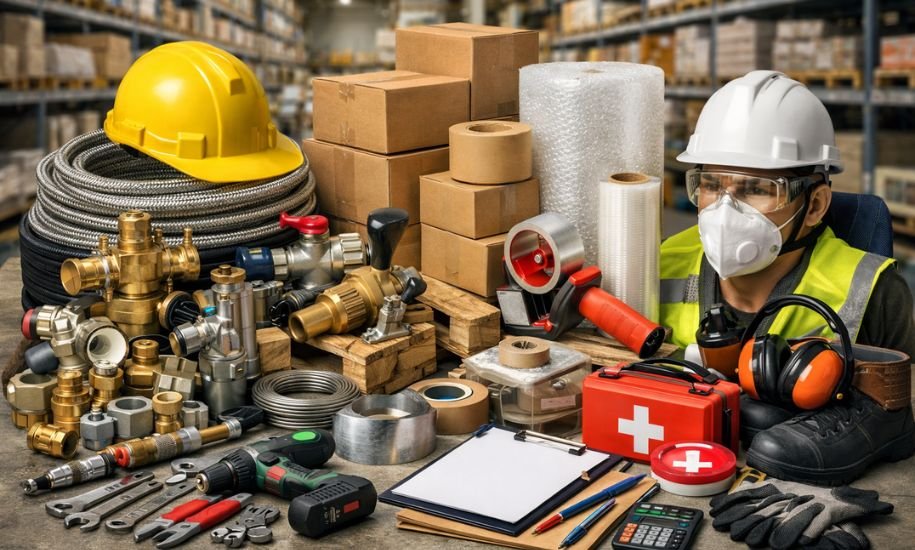
Every organization depends on reliable supplies to perform critical tasks.
Without proper equipment and materials, businesses may face:
- Production delays
- Increased operating costs
- Safety risks
- Customer dissatisfaction
- Equipment failures
- Reduced productivity
High-quality PLG supplies help organizations maintain consistency and operational excellence.
Key Benefits
- Improved efficiency
- Better workflow management
- Reduced downtime
- Enhanced workplace safety
- Lower maintenance expenses
- Long-term cost savings
These advantages make PLG supplies essential for organizations of all sizes.
Main Categories of PLG Supplies
PLG supplies encompass a broad range of products used in commercial and industrial environments.
Plumbing Supplies
Plumbing materials are among the most common PLG supplies.
Examples include:
- Pipes
- Valves
- Connectors
- Fittings
- Water control systems
- Drainage components
These products support water distribution and waste management systems.
Gas Supply Components
Gas-related products are critical in residential, commercial, and industrial environments.
Common items include:
- Gas valves
- Regulators
- Connectors
- Pressure gauges
- Distribution systems
Proper installation and maintenance ensure safety and efficiency.
Industrial Maintenance Supplies
Maintenance teams require dependable tools and equipment.
Examples include:
- Lubricants
- Sealants
- Cleaning chemicals
- Repair kits
- Fasteners
- Industrial adhesives
These supplies help prevent costly equipment failures.
Construction Materials
Construction projects require a steady supply of essential materials.
Common construction PLG supplies include:
- Cement products
- Structural hardware
- Fastening systems
- Safety barriers
- Building accessories
Reliable sourcing contributes to project success.
Safety Equipment
Workplace safety remains a top priority.
Popular safety supplies include:
- Protective gloves
- Helmets
- Safety glasses
- Respirators
- High-visibility clothing
- First-aid equipment
Safety products help organizations comply with regulations while protecting employees.
How PLG Supplies Support Business Operations?
Businesses depend on efficient supply chains to maintain productivity.
PLG supplies contribute by:
- Supporting Daily Workflows: Employees need reliable materials to complete tasks efficiently.
- Reducing Downtime: Immediate access to critical supplies minimizes disruptions.
- Improving Operational Performance: Quality materials enhance reliability and productivity.
- Supporting Growth: As organizations expand, supply requirements increase accordingly.
These factors explain why supply management is a crucial business function.
Industries That Use PLG Supplies
PLG supplies serve numerous industries.
Manufacturing
Manufacturers require:
- Machine components
- Repair supplies
- Production materials
- Safety equipment
Reliable supply availability prevents costly production interruptions.
Construction
Construction companies use PLG supplies for:
- Building projects
- Site safety
- Equipment maintenance
- Infrastructure development
Proper materials ensure project quality and compliance.
Healthcare
Healthcare facilities depend on:
- Medical consumables
- Protective equipment
- Facility maintenance products
- Sanitation supplies
Reliable sourcing supports patient care and operational efficiency.
Agriculture
Agricultural operations use:
- Irrigation components
- Maintenance tools
- Protective equipment
- Storage materials
These supplies help improve productivity and crop management.
Energy and Utilities
Utility providers require:
- Pipeline components
- Maintenance equipment
- Safety products
- Monitoring devices
Reliable supplies help maintain essential infrastructure.
Features of High-Quality PLG Supplies
Not all supplies deliver the same performance.
The best PLG supplies typically offer:
- Durability: Products should withstand demanding environments.
- Reliability: Consistent performance reduces operational risks.
- Compliance: Materials should meet industry standards and regulations.
- Cost Effectiveness: Quality products often reduce long-term expenses.
- Availability: Reliable suppliers ensure products remain accessible when needed.
These characteristics contribute to operational success.
Choosing the Right PLG Supplies
Selecting suitable supplies requires careful evaluation.
Assess Operational Needs
Identify:
- Usage requirements
- Volume needs
- Environmental conditions
- Performance expectations
Understanding requirements prevents purchasing mistakes.
Evaluate Product Quality
Review:
- Material specifications
- Certifications
- Testing standards
- Manufacturer reputation
Quality products generally provide better long-term value.
Consider Supplier Reliability
Reliable suppliers offer:
- Consistent inventory
- Competitive pricing
- Technical support
- Timely delivery
Strong supplier relationships improve procurement efficiency.
Compare Total Cost of Ownership
The lowest purchase price is not always the best option.
Consider:
- Product lifespan
- Maintenance requirements
- Replacement frequency
- Operational efficiency
Long-term value often outweighs short-term savings.
Supply Chain Management and PLG Supplies
Modern supply chains rely heavily on effective inventory management.
Organizations use supply chain strategies to:
- Monitor inventory levels
- Forecast demand
- Reduce waste
- Improve procurement efficiency
Advanced supply chain systems help businesses maintain adequate stock without excessive inventory costs.
Digital Transformation in Supply Management
Technology is changing how organizations manage PLG supplies.
Modern systems include:
- Inventory Management Software: Tracks stock levels in real time.
- Automated Procurement Systems: Reduces manual purchasing tasks.
- Data Analytics: Provides insights into usage patterns.
- Cloud-Based Platforms: Improve visibility across multiple locations.
Digital tools help businesses make smarter purchasing decisions.
Sustainability and PLG Supplies
Environmental responsibility is becoming increasingly important.
Organizations now prioritize:
- Recyclable materials
- Energy-efficient products
- Sustainable sourcing
- Waste reduction programs
Sustainable procurement strategies support environmental goals while maintaining operational efficiency.
Common Challenges in Managing PLG Supplies
Supply management is not without challenges.
- Supply Chain Disruptions: Global events can affect product availability.
- Rising Costs: Material and transportation expenses may increase.
- Inventory Imbalances: Too much inventory increases costs, while too little creates shortages.
- Quality Control Issues: Low-quality supplies can impact productivity and safety.
Organizations must develop strategies to address these challenges effectively.
PLG Supplies and Workplace Safety
Workplace safety depends heavily on access to proper supplies.
Benefits include:
- Reduced accidents
- Improved compliance
- Enhanced employee confidence
- Lower liability risks
Organizations that invest in quality safety products often experience stronger operational performance.
Inventory Optimization Best Practices
Effective inventory management ensures the right supplies are available when needed.
Recommended practices include:
- Regular Audits: Verify inventory accuracy.
- Demand Forecasting: Predict future requirements.
- Supplier Diversification: Reduce dependence on a single source.
- Automated Reordering: Prevent stock shortages.
These methods improve supply chain resilience.
The Role of Technology in Future PLG Supplies
Emerging technologies are transforming supply operations.
- Artificial Intelligence: AI improves forecasting and procurement planning.
- Internet of Things (IoT): Connected devices monitor equipment and inventory levels.
- Predictive Maintenance: Organizations can identify problems before failures occur.
- Smart Warehousing: Automation improves storage and distribution efficiency.
These innovations are reshaping modern supply management.
PLG Supplies for Small Businesses
Small businesses can benefit significantly from efficient supply strategies.
Advantages include:
- Lower operating costs
- Improved productivity
- Better inventory control
- Stronger customer service
Even modest improvements in supply management can produce measurable business results.
PLG Supplies for Large Enterprises
Large organizations face unique challenges.
They often require:
- Multi-location inventory management
- High-volume procurement
- Advanced logistics systems
- Strategic supplier partnerships
Enterprise-scale supply management helps support growth and operational stability.
Cost-Saving Strategies for PLG Supplies
Organizations can reduce expenses through:
- Bulk Purchasing: Higher volumes often lower unit costs.
- Supplier Negotiations: Long-term agreements may improve pricing.
- Inventory Analysis: Identifies unnecessary spending.
- Preventive Maintenance: Reduces emergency replacement costs.
Strategic procurement decisions can significantly improve profitability.
Future Trends Shaping PLG Supplies
Several trends are expected to influence the industry in the coming years.
- AI-Powered Procurement: Smarter purchasing decisions through predictive analytics.
- Sustainable Materials: Increased demand for environmentally friendly products.
- Supply Chain Automation: Reduced manual processes and improved efficiency.
- Real-Time Visibility: Enhanced tracking across global supply networks.
- Smart Inventory Systems: Automated monitoring and replenishment.
Organizations adopting these innovations may gain a competitive advantage.
FAQs:
1. What does PLG Supplies mean in business operations?
PLG Supplies generally refers to the tools, materials, equipment, and resources organizations use to maintain operations, improve productivity, support maintenance activities, ensure workplace safety, and achieve efficient workflow management across various industries and business environments.
2. Which industries benefit most from PLG Supplies?
Manufacturing, construction, healthcare, agriculture, energy, utilities, logistics, and maintenance sectors rely heavily on PLG Supplies. These industries require dependable materials, safety equipment, repair products, and operational resources to maintain efficiency and minimize downtime effectively.
3. How can businesses choose the right PLG Supplies?
Businesses should evaluate product quality, supplier reliability, compliance standards, durability, pricing, and operational requirements. Comparing total ownership costs and assessing long-term performance helps organizations make smarter purchasing decisions and maximize investment value.
4. Why is inventory management important for PLG Supplies?
Effective inventory management prevents shortages, reduces excess stock, lowers storage costs, and improves operational continuity. Modern inventory systems help businesses forecast demand accurately, automate reordering processes, and maintain optimal supply levels efficiently.
5. What future technologies will impact PLG Supplies?
Artificial intelligence, predictive analytics, IoT monitoring, smart warehousing, supply chain automation, and cloud-based inventory systems are transforming PLG Supplies management. These technologies improve forecasting, procurement efficiency, visibility, and overall operational performance for businesses.
Conclusion:
PLG Supplies plays a vital role in supporting modern business operations across numerous industries. From plumbing and gas components to safety equipment, maintenance products, and construction materials, these supplies help organizations improve efficiency, reduce downtime, and maintain workplace safety. As technology advances, supply management continues evolving through automation, AI, and smart inventory systems. Businesses that invest in high-quality PLG Supplies, reliable suppliers, and effective procurement strategies can strengthen operational performance, control costs, and achieve long-term sustainable growth.