Software Engineering to Mechanical Engineering – Career Transition!
Switching from software engineering to mechanical engineering is possible with transferable technical skills, CAD training, mechanical fundamentals, and strategic career planning especially through hybrid engineering roles.
Switching from software engineering to mechanical engineering may sound unusual, but it is becoming a real consideration for professionals seeking hands-on engineering work, product development opportunities, or a more tangible connection to the systems they build.
If you’re wondering “Can a software engineer become a mechanical engineer?”, the short answer is:
Yes, you can absolutely transition from software engineering to mechanical engineering. However, the path requires strategic planning, technical upskilling, and often additional education or certifications.
This guide explains how to switch from software engineering to mechanical engineering, what skills transfer, salary expectations, job opportunities, and whether this engineering career transition is worth it.
Why Switch from Software Engineering to Mechanical Engineering?
Many professionals consider switching engineering careers for personal or professional reasons. Common motivations include:
1. Desire to Build Physical Products
Software engineers often work on intangible systems. Mechanical engineering offers the opportunity to design:
- Machines
- Robotics systems
- Automotive components
- Aerospace structures
- Manufacturing equipment
For many, creating physical solutions is more rewarding.
2. Career Satisfaction and Passion
Some software professionals feel disconnected from coding-heavy roles and want:
- More hands-on work
- Real-world engineering challenges
- Product design involvement
- Mechanical problem-solving
This often drives the software engineer to mechanical engineer transition.
3. Interest in Hybrid Engineering Careers
Modern industries increasingly combine software and mechanical expertise.
Examples include:
- Robotics engineering
- Embedded systems engineering
- Autonomous vehicles
- Mechatronics
- Industrial automation
These mechanical software engineer jobs are growing rapidly.
Can a Software Engineer Become a Mechanical Engineer?

Yes but there are important considerations. Mechanical engineering relies heavily on:
- Physics
- Material science
- Thermodynamics
- CAD software
- Mechanical design principles
Software engineering provides valuable transferable skills, but you may need additional learning.
Good News: Many Skills Transfer
Your software background already gives you strengths in:
- Problem-solving
- Systems thinking
- Mathematical modeling
- Debugging complex systems
- Automation mindset
- Algorithmic thinking
These transferable engineering skills can accelerate your transition.
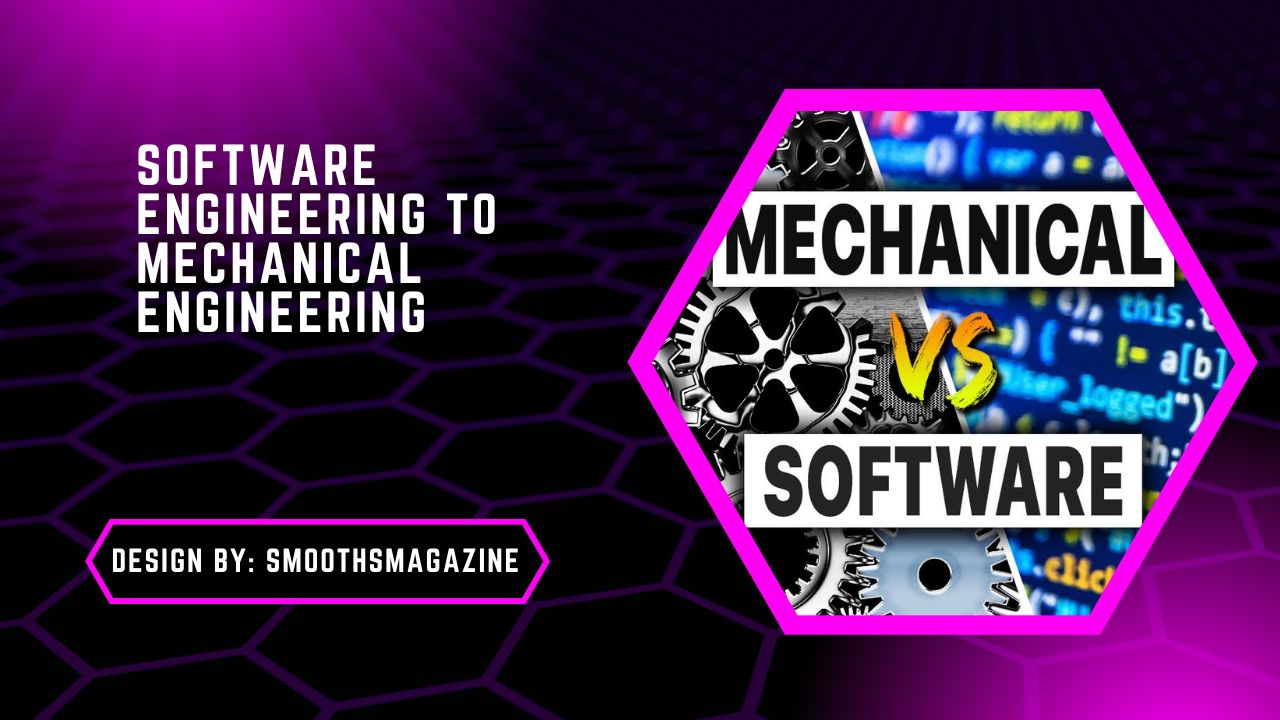
Software Engineering vs Mechanical Engineering
Before switching, it helps to compare both fields.
| Feature | Software Engineering | Mechanical Engineering |
| Main Focus | Digital systems | Physical systems |
| Daily Work | Coding, testing | Design, simulation, prototyping |
| Tools | IDEs, frameworks | CAD software, simulation tools |
| Output | Applications/software | Machines/products |
| Work Style | Remote-friendly | Often lab/onsite |
| Learning Curve | Rapidly evolving tech | Strong engineering fundamentals |
Key Difference
Software changes quickly. Mechanical engineering relies more on timeless engineering principles.
Is Switching from Software to Mechanical Engineering Worth It?
This depends on your goals.
It may be worth it if you:
- ✅ Enjoy physical product development
- ✅ Want to work in manufacturing or robotics
- ✅ Prefer engineering design over coding
- ✅ Want broader interdisciplinary opportunities
It may not be ideal if you:
- ❌ Prefer remote work flexibility
- ❌ Want maximum salary growth quickly
- ❌ Dislike additional education requirements
Transferable Skills from Software to Mechanical Engineering
One major advantage in this engineering career transition is your existing technical foundation.
1. Programming Knowledge
Programming helps with:
- Automation scripts
- CAD tool customization
- Robotics control systems
- Simulation modeling
- Embedded software
Languages like Python, C++, and MATLAB are highly useful.
2. Systems Thinking
Software engineers already understand:
- Architecture
- Dependencies
- Failure analysis
- Optimization
Mechanical engineers use similar thinking for:
- Mechanical assemblies
- Thermal systems
- Structural design
3. Data Analysis
Mechanical engineering increasingly uses:
- Sensor data
- Simulation data
- Predictive maintenance analytics
Your software background gives an edge here.
Skills Needed for Mechanical Engineering After Software Engineering
To move into mechanical engineering, you may need to learn:
1. CAD Software
Essential tools include:
- AutoCAD
- SolidWorks
- CATIA
- Fusion 360
- Siemens NX
CAD software is often the first major skill gap.
2. Mechanical Design
Learn:
- Design principles
- Stress analysis
- Tolerance stack-up
- Material selection
- Manufacturing methods
3. Engineering Fundamentals
Important subjects include:
- Thermodynamics
- Fluid mechanics
- Dynamics
- Statics
- Heat transfer
These are core mechanical engineering skills.
4. Industry Standards
You may need familiarity with:
- ASME standards
- ISO compliance
- GD&T (Geometric Dimensioning and Tolerancing)
How to Switch from Software Engineering to Mechanical Engineering?

Here is a step-by-step roadmap.
Step 1: Define Your Target Career Path
Mechanical engineering is broad.
Possible paths include:
- Product design engineer
- Robotics engineer
- Manufacturing engineer
- Automotive engineer
- Aerospace engineer
- Mechanical software engineer
Hybrid careers may be easier to enter first.
Step 2: Learn CAD and Mechanical Design
Start with beginner-friendly platforms like:
- Fusion 360
- SolidWorks tutorials
- Mechanical design courses
Build small design projects.
Step 3: Take Mechanical Engineering Courses
You may not need a full degree immediately.
Useful options:
- Online engineering courses
- University certificates
- Professional diplomas
- Mechanical engineering master’s programs
Step 4: Build a Portfolio
Show practical ability through:
- CAD models
- Simulations
- Design reports
- Prototypes
- Robotics projects
Portfolios can offset lack of direct experience.
Step 5: Apply for Hybrid Roles First
Good transition roles include:
- Robotics software engineer
- Embedded systems engineer
- Mechatronics engineer
- Simulation engineer
- Digital manufacturing engineer
These bridge software and mechanical expertise.
Degree Requirements for Mechanical Engineering
Many people ask: Do I need another engineering degree?
The answer depends on your goals.
When You Might Need a Degree
You may need formal education for:
- Licensed professional engineering roles
- Aerospace engineering
- Highly regulated industries
When You Might Not Need a Degree?
You may not need another degree for:
- CAD specialist roles
- Robotics startups
- Product development teams
- Simulation engineering
- Manufacturing automation
Skills and portfolio can sometimes outweigh credentials.
Software Engineering to Mechanical Engineering Salary
Salary is a major factor in career decisions.
Approximate ranges:
Software Engineering Salary
- Entry level: $80,000–$120,000
- Mid-level: $120,000–$180,000
- Senior: $180,000+
Mechanical Engineering Salary
- Entry level: $70,000–$95,000
- Mid-level: $90,000–$130,000
- Senior: $130,000–$170,000
Hybrid Mechanical Software Engineer Jobs
These often pay more:
- $110,000–$180,000+
Hybrid roles can offer the best of both worlds.
Best Careers Combining Software and Mechanical Engineering
Rather than fully switching, consider careers that merge both disciplines.
Robotics Engineer
Combines:
- Mechanical design
- Motion planning
- Control software
Highly in demand.
Embedded Systems Engineer
Works on:
- Firmware
- Hardware integration
- Sensors and controls
Ideal for software engineers.
Mechatronics Engineer
Blends:
- Electronics
- Mechanical systems
- Software automation
One of the fastest-growing fields.
Simulation Engineer
Uses software tools to model:
- Structural behavior
- Thermal performance
- Fluid systems
Excellent transition option.
Common Challenges in Transitioning Careers
Switching engineering fields can be difficult.
1. Knowledge Gaps
Mechanical engineering requires understanding physical laws and design constraints.
2. Identity Shift
Leaving software engineering can feel risky. Many people worry about:
- Starting over
- Salary reduction
- Losing seniority
3. Experience Barrier
Employers often want direct mechanical engineering experience. This is why portfolios matter.
Real-World Example: Career Transition Success
Many engineers have successfully moved between disciplines.
Example path: Software developer → Robotics hobby projects → CAD training → Embedded systems role → Mechanical product engineering
The transition often happens gradually rather than instantly.
Tips for a Successful Engineering Career Transition

Learn by Building
Projects teach faster than theory.
Build:
- 3D printed designs
- Small robots
- Mechanical simulations
Network with Mechanical Engineers
Join:
- Engineering forums
- LinkedIn groups
- Professional organizations
Use Your Software Strengths
Don’t abandon coding completely.
Software remains valuable in:
- Automation
- Simulation
- Robotics
- Product development
Future Outlook for Mechanical Engineering
Mechanical engineering is evolving rapidly with:
- AI-driven design
- Smart manufacturing
- Digital twins
- Robotics
- Sustainable engineering
Software skills will increasingly make mechanical engineers more competitive.
FAQs:
1. Can a software engineer become a mechanical engineer without another degree?
Yes, in some cases. Hybrid roles like robotics, simulation, or mechatronics may not require a second degree. Building CAD skills, learning mechanical design, and creating a strong portfolio can help transition successfully.
2. What skills transfer from software engineering to mechanical engineering?
Software engineers bring problem-solving, systems thinking, automation knowledge, programming, and data analysis skills. These transferable engineering skills are valuable in robotics, simulations, embedded systems, and modern mechanical product development roles.
3. Is switching from software engineering to mechanical engineering worth it?
It can be worth it if you prefer hands-on engineering, physical product design, or interdisciplinary careers. However, consider salary differences, education needs, and whether you enjoy mechanical engineering fundamentals.
4. What should I learn first when moving into mechanical engineering?
Start with CAD software like SolidWorks or Fusion 360, then study mechanical design basics, materials science, thermodynamics, and manufacturing principles. Practical projects help build confidence and real-world experience quickly.
5. What are the best careers combining software and mechanical engineering?
Top hybrid careers include robotics engineer, embedded systems engineer, mechatronics engineer, simulation engineer, and digital manufacturing engineer. These roles combine coding skills with mechanical systems and often offer strong salaries.
Conclusion:
Transitioning from software engineering to mechanical engineering is challenging but achievable with focused learning and practical experience. Your existing technical mindset provides a strong foundation, especially for hybrid engineering careers like robotics and mechatronics. By developing CAD skills, learning mechanical principles, and building a project portfolio, you can successfully navigate this engineering career transition. Whether you fully switch fields or pursue interdisciplinary roles, combining software and mechanical expertise can unlock exciting long-term career opportunities.