How Does Endbugflow Software Work – Guide to Bug Tracking!
EndBugFlow software works by automating bug detection, reporting, prioritization, assignment, tracking, testing, and resolution. It centralizes defect management, improves collaboration, boosts productivity, and streamlines software development workflows.
Software development teams face a constant challenge: identifying, tracking, prioritizing, and resolving bugs before they affect users. As projects grow in complexity, manual bug tracking methods often become inefficient and difficult to manage. This is where many developers and organizations ask an important question: how does EndBugFlow software work?
EndBugFlow is commonly described as a modern bug tracking software and workflow automation software designed to streamline defect management, improve developer productivity, and enhance collaboration across software teams. Instead of relying on spreadsheets or disconnected communication channels, EndBugFlow centralizes the entire bug lifecycle into a structured and automated system.
In this complete guide to EndBugFlow software, you’ll learn how the platform works, how it automates bug tracking, how it integrates with existing development tools, and why many teams use it to improve software quality assurance workflows.
What Is EndBugFlow Software?
Before understanding how EndBugFlow software works, it’s important to understand its purpose.
EndBugFlow is a bug management system that helps software teams identify, organize, prioritize, assign, monitor, and resolve software defects. It acts as a centralized platform where developers, testers, project managers, and stakeholders can collaborate efficiently.
The platform is designed to support:
- Bug tracking
- Defect management
- Workflow automation
- Issue tracking
- Team collaboration
- Quality assurance processes
- Project visibility
Rather than manually tracking software issues, EndBugFlow automates much of the process, reducing errors and improving operational efficiency.
How Does EndBugFlow Software Work?

The simplest answer to how does EndBugFlow software work is that it automates the complete bug lifecycle from detection to resolution.
The platform follows a structured workflow:
- Bug Detection
- Bug Reporting
- Issue Prioritization
- Task Assignment
- Progress Tracking
- Resolution Verification
- Issue Closure
This automated defect tracking solution helps development teams focus on building software rather than managing administrative tasks.
Understanding the EndBugFlow Bug Lifecycle
One of the key features of EndBugFlow is its structured bug lifecycle management process. Every software issue follows a clear path.
Stage 1: Issue Detection
The process begins when a bug is discovered.
Bugs can be identified through:
- Automated testing
- Manual testing
- User reports
- Monitoring systems
- Quality assurance reviews
The software captures detailed information about the issue immediately.
Stage 2: Bug Reporting
After detection, the issue is logged into the platform.
Typical bug reports include:
- Error descriptions
- Screenshots
- Log files
- Device information
- Browser information
- Reproduction steps
This information helps developers diagnose problems faster.
Stage 3: Issue Prioritization
Not all bugs have the same impact.
EndBugFlow uses smart prioritization methods to classify issues based on:
- Severity
- Business impact
- User impact
- Development effort
- Release deadlines
This ensures critical defects receive immediate attention.
Stage 4: Developer Assignment
One of the most valuable workflow automation features is automated task assignment.
Instead of manually selecting developers, the system can assign issues based on:
- Team roles
- Expertise
- Workload balancing
- Department ownership
- Availability
This improves developer workload balancing and reduces bottlenecks.
Stage 5: Resolution Tracking
As developers work on the issue, the platform tracks progress in real time.
Common statuses include:
- Open
- Assigned
- In Progress
- Testing
- Resolved
- Closed
This real-time issue management system keeps everyone informed.
Stage 6: Verification and Testing
Once a fix is implemented, quality assurance teams verify the solution.
Testing may include:
- Functional testing
- Regression testing
- Integration testing
- User acceptance testing
Only verified fixes move to the final stage.
Stage 7: Closure
After successful validation, the bug is officially closed.
The complete record remains stored for:
- Future audits
- Reporting
- Knowledge sharing
- Compliance requirements
This structured workflow forms the foundation of EndBugFlow software.
Automated Bug Capture Workflow
A major reason teams adopt EndBugFlow is its automated bug tracking platform capabilities. Traditional bug reporting often requires manual documentation.
EndBugFlow automates this process through:
- Automated error detection
- Continuous monitoring
- Test failure alerts
- System event logging
- Real-time notifications
When a problem occurs, the system can automatically generate a ticket with all relevant information attached.
Benefits include:
- Faster issue reporting
- Reduced human error
- Better accuracy
- Improved developer productivity
API Integration and Webhook Connectivity
Many organizations wonder:
How does EndBugFlow software work with existing development tools?
The answer lies in its integration capabilities.The platform commonly supports:
API Integration
APIs allow EndBugFlow to communicate with external systems.
Examples include:
- Version control systems
- Project management tools
- Testing platforms
- Monitoring systems
- CI/CD pipelines
API integration eliminates duplicate work and improves workflow efficiency.
Webhook Automation
Webhooks allow real-time event communication.
Examples:
- Test failure notifications
- Deployment updates
- Code commit tracking
- Build status alerts
This creates a seamless software workflow automation environment.
Workflow Automation Explained
Workflow automation is one of the platform’s strongest advantages.
Instead of relying on manual coordination, the software automates repetitive processes.
Examples include:
- Ticket creation
- Issue routing
- Status updates
- Notifications
- Escalations
- Reporting
Workflow automation reduces administrative overhead and improves team efficiency.
Smart Task Assignment Process
Many bug tracking systems struggle with uneven workload distribution. EndBugFlow addresses this challenge through intelligent assignment rules.
The platform may evaluate:
- Team capacity
- Current workload
- Specialization
- Project ownership
- Priority levels
Benefits include:
- Faster resolutions
- Balanced workloads
- Improved productivity
- Better accountability
This automated issue resolution process helps teams scale effectively.
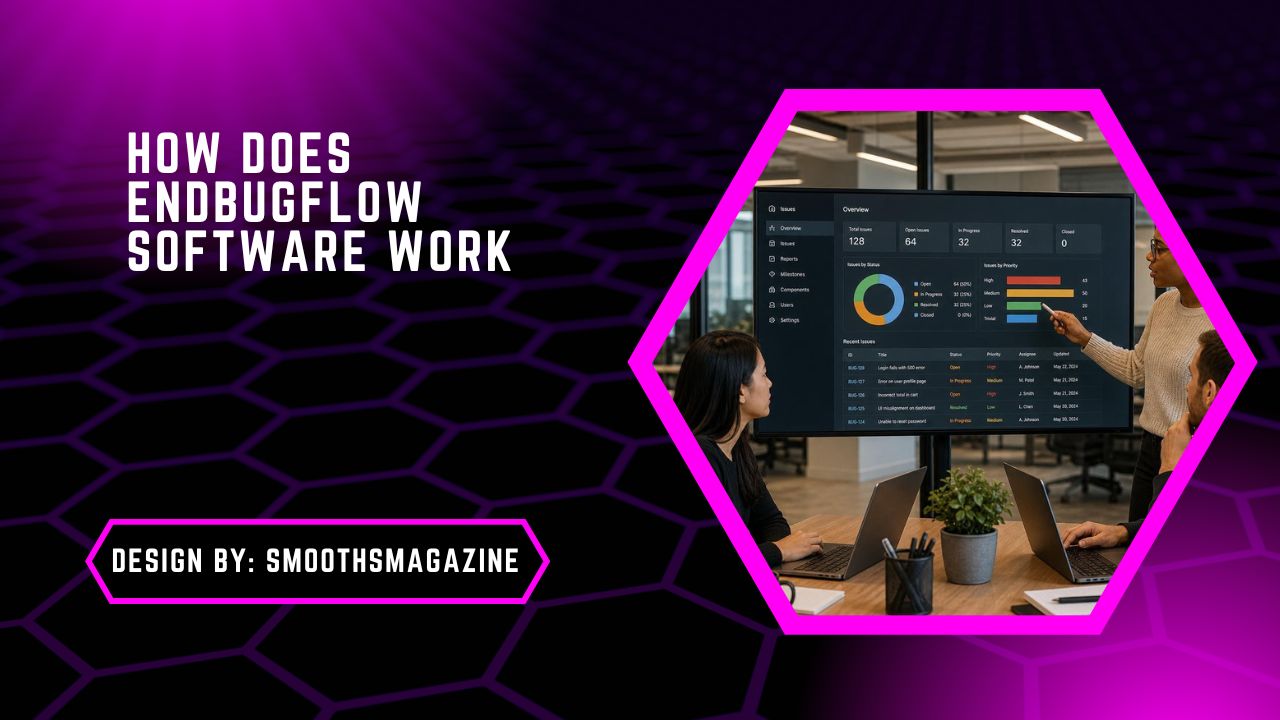
Real-Time Tracking Dashboard
Visibility is essential in software development.
The EndBugFlow dashboard provides real-time insights into:
- Open issues
- Resolved bugs
- Team performance
- Release readiness
- Development progress
Project managers can quickly identify:
- Bottlenecks
- Delays
- High-risk issues
- Resource constraints
Real-time tracking improves decision-making across development teams.
Reporting and Analytics Features
Modern development requires data-driven decisions. EndBugFlow provides analytics that help teams understand performance trends.
Common reports include:
- Bug Volume Reports: Track how many issues are reported over time.
- Resolution Time Reports: Measure how quickly teams fix defects.
- Developer Productivity Reports: Monitor workloads and output.
- Quality Metrics: Evaluate overall software quality.
These insights support continuous improvement initiatives.
Team Collaboration and Communication
Software development is highly collaborative. EndBugFlow improves communication by centralizing discussions around each issue.
Collaboration tools may include:
- Comments
- File attachments
- Mentions
- Notifications
- Activity logs
Instead of scattered conversations across multiple platforms, everything remains connected to the bug itself.
EndBugFlow and Software Testing
Testing teams play a critical role in software quality assurance workflows.
EndBugFlow supports testing by:
- Logging defects automatically
- Tracking test failures
- Managing test results
- Documenting validation steps
This integration helps quality assurance teams maintain consistent testing standards.
Security Features in EndBugFlow
Security remains a priority for any bug management system.
Common security measures include:
- Access Controls: Role-based permissions restrict access to sensitive information.
- Authentication Systems: User verification prevents unauthorized access.
- Data Encryption: Protects information during storage and transmission.
- Audit Logs: Tracks all user activities for accountability.
These features help maintain a secure software ecosystem.
Scalability for Growing Development Teams
As organizations grow, their issue management needs become more complex.
EndBugFlow supports scalability through:
- Cloud infrastructure
- Automated workflows
- Distributed teams
- Large issue databases
- Enterprise integrations
Scalable architecture ensures performance remains consistent as projects expand.
Benefits of EndBugFlow Software
Organizations use EndBugFlow because it delivers measurable advantages.
- Improved Developer Productivity: Less time spent on administrative work.
- Faster Bug Resolution: Automated workflows reduce delays.
- Better Team Collaboration: Centralized communication improves coordination.
- Enhanced Visibility: Real-time dashboards provide project transparency.
- Higher Software Quality:Structured defect management reduces production issues.
- Streamlined Workflow Automation: Repetitive tasks become automated.
These benefits explain why bug tracking software has become essential for modern development teams.
Common Use Cases for EndBugFlow
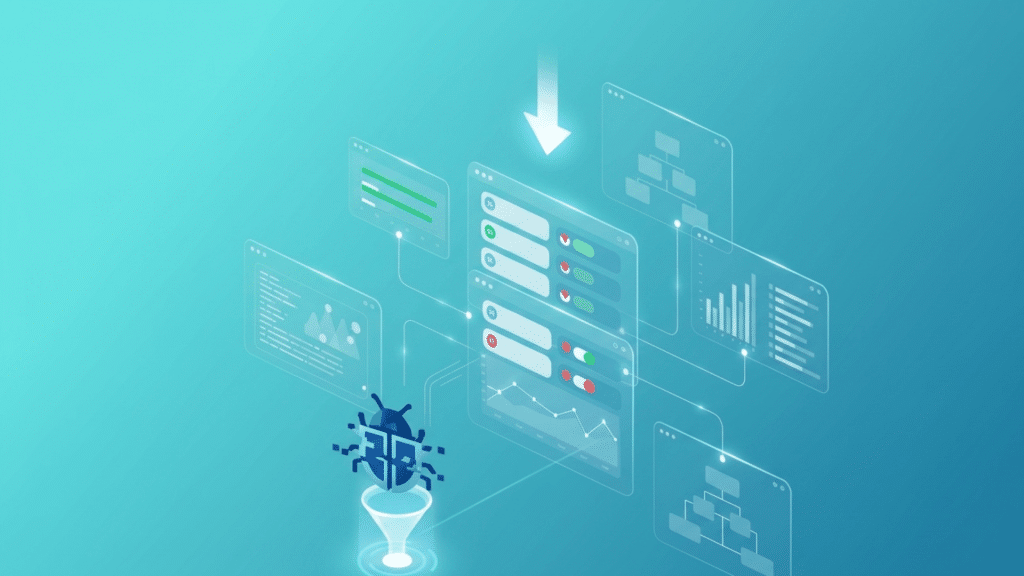
The platform supports a wide variety of environments.
Examples include:
- Agile Development Teams: Supports sprint-based workflows and rapid releases.
- Enterprise Software Projects: Manages large-scale defect tracking across departments.
- SaaS Companies: Monitors cloud-based applications continuously.
- Mobile Application Development: Tracks bugs across devices and operating systems.
- DevOps Environments: Integrates with CI/CD pipelines and deployment systems.
This flexibility makes EndBugFlow useful across multiple industries.
Challenges EndBugFlow Helps Solve
Without a structured bug management system, teams often face:
- Lost bug reports
- Delayed fixes
- Poor communication
- Duplicate work
- Limited visibility
- Release delays
EndBugFlow addresses these issues through automation, organization, and centralized management.
Future of Bug Tracking and Workflow Automation
The future of software development increasingly depends on intelligent automation.
Emerging trends include:
- AI-powered bug detection
- Predictive issue analysis
- Automated root cause identification
- Smart workload balancing
- Advanced analytics
- Continuous quality monitoring
Platforms like EndBugFlow are expected to evolve alongside these innovations, helping teams manage increasingly complex software environments.
FAQs:
1. What is EndBugFlow software used for?
EndBugFlow is a bug tracking and workflow automation platform that helps development teams manage software defects efficiently. It centralizes issue reporting, task assignment, collaboration, testing, and resolution tracking, improving productivity and software quality throughout the development lifecycle.
2. How does EndBugFlow automate bug tracking?
The platform automatically captures errors through testing systems, monitoring tools, and alerts. It creates tickets, records diagnostic information, prioritizes issues, and routes tasks to appropriate developers, reducing manual effort and improving tracking accuracy.
3. Can EndBugFlow integrate with other development tools?
Yes. EndBugFlow supports API integration and webhook connectivity, allowing communication with version control systems, project management platforms, testing tools, monitoring software, and CI/CD pipelines for seamless workflow automation and improved operational efficiency.
4. How does EndBugFlow improve team collaboration?
EndBugFlow centralizes discussions, comments, notifications, file attachments, mentions, and activity logs around each issue. This keeps communication organized, reduces confusion, prevents duplicate work, and helps development teams collaborate more effectively.
5. What are the main benefits of EndBugFlow software?
Key benefits include faster bug resolution, improved developer productivity, better team collaboration, enhanced project visibility, automated workflow management, structured defect tracking, and higher software quality through efficient issue management processes.
Conclusion:
EndBugFlow software provides a structured and automated approach to bug tracking and defect management. By combining automated bug capture, smart task assignment, real-time tracking dashboards, workflow automation, and integration with development tools, it helps teams resolve issues faster and maintain high software quality. Its collaboration features, analytics, security controls, and scalability make it valuable for agile teams, enterprises, SaaS companies, and DevOps environments. As automation advances, platforms like EndBugFlow will continue improving software development efficiency.