Pappedeckel – Meaning, Uses, and Modern Applications!
Pappedeckel is a sustainable cardboard lid or paperboard cover used in packaging. It offers recyclability, biodegradability, reduced plastic waste, environmental benefits, and practical applications across multiple industries worldwide.
The term Pappedeckel has gained increasing attention across packaging, sustainability, manufacturing, and even lifestyle discussions. While many people encounter the word online and wonder what it means, Pappedeckel is much more than a simple cardboard product. It represents an eco-friendly packaging solution, a recyclable material, and a practical alternative to traditional plastic lids and covers.
As environmental concerns continue to influence consumer choices and business decisions, the demand for sustainable packaging solutions has grown rapidly. This shift has pushed materials like Pappedeckel into the spotlight. Whether used in food packaging, beverage containers, shipping products, or eco-conscious branding, Pappedeckel offers numerous benefits for businesses and consumers alike.
In this comprehensive guide, we will explore what Pappedeckel means, its origins, common applications, environmental advantages, manufacturing process, future trends, and why it has become a key component of sustainable packaging worldwide.
What Is Pappedeckel?
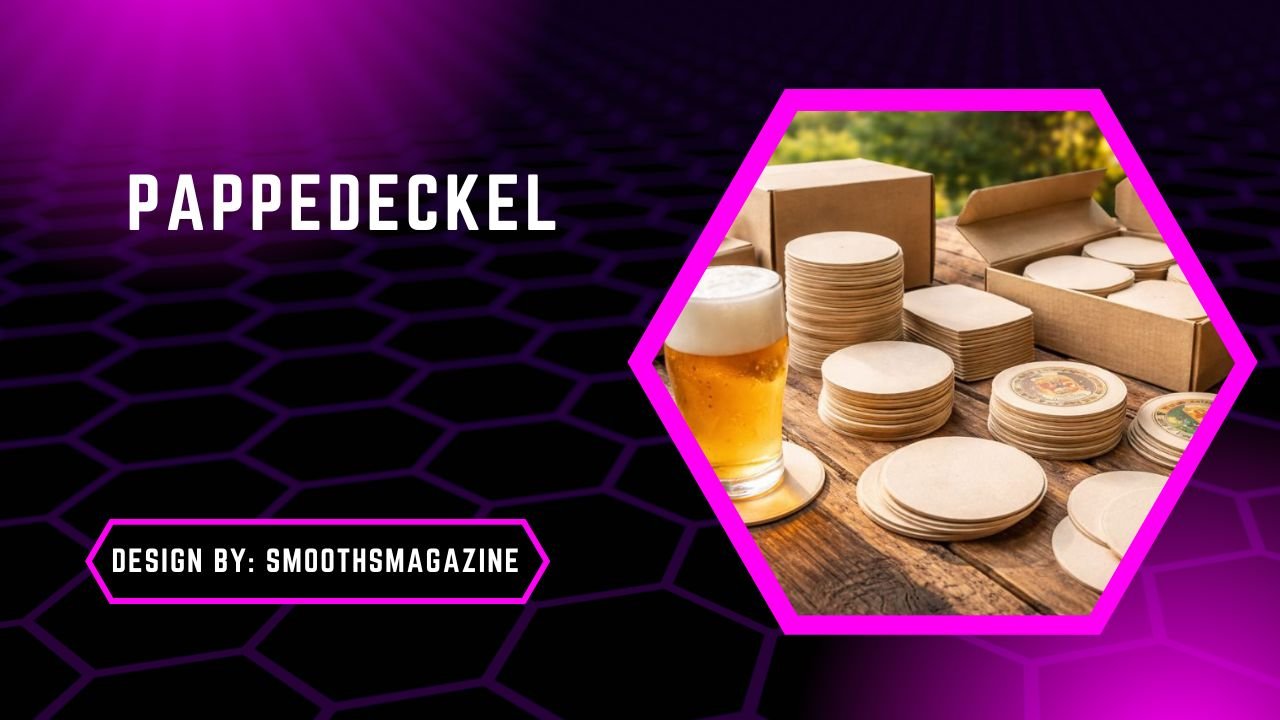
Pappedeckel is a German word that generally translates to cardboard lid, paperboard cover, or cardboard top. Traditionally, it refers to a lid or cover made primarily from thick paperboard or cardboard materials.
In modern packaging industries, Pappedeckel has evolved to describe a wide variety of recyclable and biodegradable packaging components used for:
- Coffee cups
- Soup containers
- Food bowls
- Beverage packaging
- Shipping boxes
- Product packaging
- Retail displays
Because Pappedeckel products are typically manufactured from renewable paper-based materials, they are considered a more environmentally friendly alternative to plastic packaging.
The Growing Popularity of Pappedeckel
The popularity of Pappedeckel has increased significantly due to global efforts to reduce plastic waste.
Several factors contribute to this growth:
- Environmental Awareness: Consumers are actively seeking eco-friendly alternatives that minimize environmental impact.
- Government Regulations: Many countries have introduced restrictions on single-use plastics, encouraging businesses to adopt paper-based packaging solutions.
- Corporate Sustainability Goals: Brands are increasingly focusing on sustainability initiatives, making recyclable packaging a priority.
- Consumer Preferences: Customers often prefer companies that demonstrate environmental responsibility.
As a result, Pappedeckel has become a preferred choice for businesses looking to improve sustainability while maintaining functionality.
History and Origin of Pappedeckel
The word Pappedeckel originates from the German language:
- “Pappe” means cardboard or paperboard.
- “Deckel” means lid or cover.
Historically, cardboard covers were used in packaging, storage containers, and beverage service applications. Over time, advances in paper manufacturing allowed producers to create stronger, more durable paperboard products suitable for commercial use.
Today, Pappedeckel products are widely used throughout Europe and are increasingly adopted in international markets.
Common Uses of Pappedeckel
One reason Pappedeckel remains popular is its versatility.
Food Packaging
Food service businesses frequently use Pappedeckel for:
- Coffee cups
- Tea cups
- Takeaway bowls
- Soup containers
- Dessert packaging
These lids help maintain freshness while reducing plastic waste.
Beverage Industry
The beverage industry increasingly uses cardboard-based lids and covers to support sustainability efforts.
Common applications include:
- Hot beverages
- Cold drinks
- Specialty coffees
- Juice packaging
Many modern Pappedeckel designs include ventilation features that improve functionality.
Retail Packaging
Retailers use Pappedeckel materials for:
- Product boxes
- Cosmetic packaging
- Electronics packaging
- Gift packaging
The material provides protection while enhancing visual appeal.
Shipping and Logistics
Cardboard covers and inserts play a major role in shipping operations.
Benefits include:
- Product protection
- Reduced packaging weight
- Improved recyclability
- Cost-effective transportation
This makes Pappedeckel a practical solution for e-commerce businesses.
Why Pappedeckel Is Considered Sustainable?
One of the main reasons businesses choose Pappedeckel is its environmental performance.
- Renewable Resources: Most paperboard products are made from renewable wood fibers sourced from responsibly managed forests.
- Recyclability: Unlike many plastic products, cardboard materials can often be recycled multiple times.
- Reduced Plastic Waste: Replacing plastic lids with paper-based alternatives significantly reduces landfill contributions.
- Lower Carbon Footprint: Paper-based packaging frequently produces lower greenhouse gas emissions throughout its lifecycle.
These advantages make Pappedeckel an important component of sustainable packaging strategies.
Pappedeckel vs Plastic Lids
Many consumers wonder whether cardboard lids can truly replace plastic alternatives.
- Environmental Impact: Pappedeckel generally offers better sustainability performance due to recyclability and biodegradability.
- Disposal: Cardboard materials break down naturally under proper conditions, while plastics may persist for hundreds of years.
- Consumer Perception: Eco-friendly packaging often improves brand image and customer loyalty.
- Functionality: Modern paperboard engineering has significantly improved durability and moisture resistance.
As technology advances, the performance gap between cardboard and plastic continues to narrow.
How Pappedeckel Is Manufactured?
Understanding the production process helps explain why these products are both durable and environmentally friendly.
Step 1: Raw Material Collection
Manufacturers gather:
- Virgin paper fibers
- Recycled paper materials
- Sustainable forestry resources
Step 2: Pulp Production
The fibers are processed into pulp and refined for consistency.
Step 3: Paperboard Formation
The pulp is compressed into thick sheets that form strong paperboard.
Step 4: Shaping and Cutting
Specialized machinery cuts and shapes the material into specific lid or packaging designs.
Step 5: Coating and Treatment
Some products receive protective coatings to improve moisture resistance and durability.
Step 6: Quality Testing
Manufacturers inspect products for:
- Strength
- Fit
- Durability
- Food safety compliance
The finished product is then packaged and distributed.
Benefits of Using Pappedeckel
Businesses increasingly adopt Pappedeckel because of numerous advantages.
- Eco-Friendly Image: Consumers appreciate environmentally responsible packaging.
- Regulatory Compliance: Paper-based packaging often helps companies comply with environmental regulations.
- Cost Efficiency: Large-scale production can make cardboard packaging economically competitive.
- Brand Differentiation: Sustainable packaging can help brands stand out in crowded markets.
- Customer Satisfaction: Environmentally conscious customers frequently prefer sustainable products.
These benefits contribute to growing adoption worldwide.
Pappedeckel in the Food Service Industry
The food service sector has become one of the largest users of Pappedeckel products.
Restaurants, cafés, and takeaway services seek packaging that balances:
- Sustainability
- Functionality
- Cost-effectiveness
- Customer convenience
Many businesses now actively market their use of eco-friendly packaging as part of their brand identity. This trend has accelerated the development of innovative paperboard packaging technologies.
Challenges Facing Pappedeckel Adoption
Despite its advantages, Pappedeckel also faces challenges.
- Moisture Resistance: Paperboard can be vulnerable to liquids without specialized treatments.
- Production Costs: Advanced sustainable materials sometimes cost more than traditional plastics.
- Recycling Infrastructure: Not all regions have equally effective recycling systems.
- Consumer Education: Many consumers remain unfamiliar with proper disposal methods.
Addressing these challenges will be critical for continued growth.
Innovative Developments in Pappedeckel Technology
Manufacturers continue investing in research and development.
Recent innovations include:
- Water-Resistant Coatings: New coatings improve durability while maintaining recyclability.
- Compostable Materials: Advanced biodegradable materials further reduce environmental impact.
- Lightweight Designs: Engineers create stronger products using less material.
- Smart Packaging Integration: Some packaging solutions now incorporate QR codes and digital engagement features.
These advancements help increase adoption across industries.
Pappedeckel and the Circular Economy
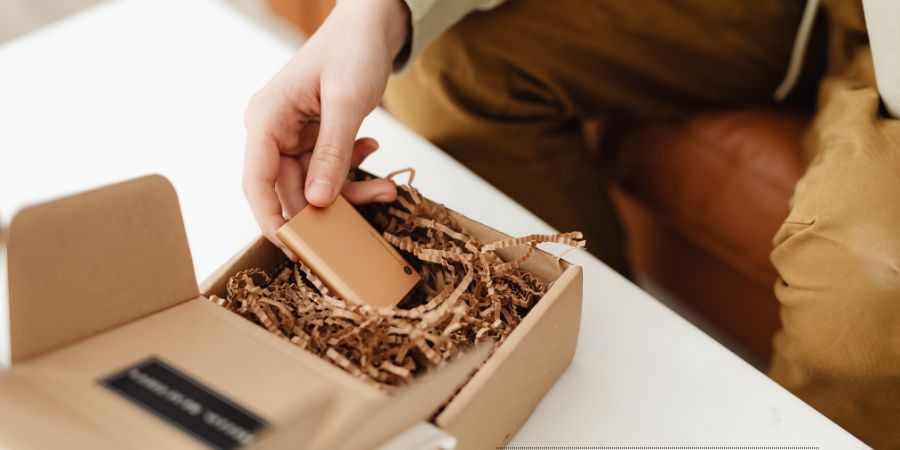
The circular economy focuses on minimizing waste and maximizing resource reuse.
Pappedeckel supports this concept by:
- Using renewable resources
- Encouraging recycling
- Reducing landfill waste
- Supporting sustainable manufacturing
As governments and organizations prioritize circular economy principles, paper-based packaging is expected to play an increasingly important role.
Future Trends for Pappedeckel
Several trends suggest strong future growth.
- Increased Plastic Restrictions: Governments continue introducing regulations that favor sustainable alternatives.
- Rising Consumer Demand: Consumers increasingly prefer environmentally friendly products.
- Corporate Sustainability Investments: Businesses are allocating more resources toward green packaging initiatives.
- Packaging Innovation: Ongoing research continues improving performance and affordability.
Together, these factors position Pappedeckel as a major contributor to the future of sustainable packaging.
How Businesses Can Benefit from Pappedeckel?
Organizations that adopt Pappedeckel solutions may experience:
- Improved brand reputation
- Greater customer loyalty
- Better environmental compliance
- Reduced sustainability risks
- Competitive differentiation
By integrating sustainable packaging into their operations, businesses can align with evolving market expectations while supporting environmental responsibility.
FAQs:
1. What does Pappedeckel mean?
Pappedeckel is a German term that translates to cardboard lid or paperboard cover. It commonly refers to recyclable packaging components used for food containers, beverage cups, retail packaging, and shipping applications. Its popularity continues growing due to sustainability concerns and environmental regulations.
2. Why is Pappedeckel considered eco-friendly?
Pappedeckel is considered eco-friendly because it is typically made from renewable paper-based materials. It can often be recycled, may biodegrade under suitable conditions, reduces plastic waste, and supports sustainable packaging initiatives that help lower the environmental impact of disposable products.
3. Where is Pappedeckel commonly used?
Pappedeckel is widely used in food service, beverage packaging, retail products, and shipping industries. Common examples include coffee cup lids, takeaway containers, product boxes, cosmetic packaging, and protective inserts that improve sustainability while maintaining product functionality and durability.
4. Can Pappedeckel replace plastic lids completely?
Pappedeckel can replace many plastic lids, especially in food and beverage packaging. However, certain applications still require specialized materials. Ongoing innovations in moisture resistance, durability, and compostable coatings continue expanding the situations where cardboard alternatives can successfully replace plastics.
5. What are the future trends for Pappedeckel?
Future trends include stronger biodegradable materials, improved water-resistant coatings, lightweight designs, smart packaging integration, and greater adoption due to plastic restrictions. Growing consumer demand for environmentally responsible products will likely accelerate innovation and market expansion in sustainable packaging solutions.
Conclusion
Pappedeckel has emerged as an important solution in the global shift toward sustainable packaging. Its combination of recyclability, biodegradability, renewable sourcing, and practical functionality makes it an attractive alternative to traditional plastic packaging. From food service and retail packaging to shipping and logistics, its applications continue expanding across industries. As environmental regulations strengthen and consumer demand for eco-friendly products grows, Pappedeckel is expected to play an even greater role in supporting sustainability, reducing waste, and promoting responsible packaging practices worldwide.