How Can Shotscribus Software Be Protected – Complete Guide!
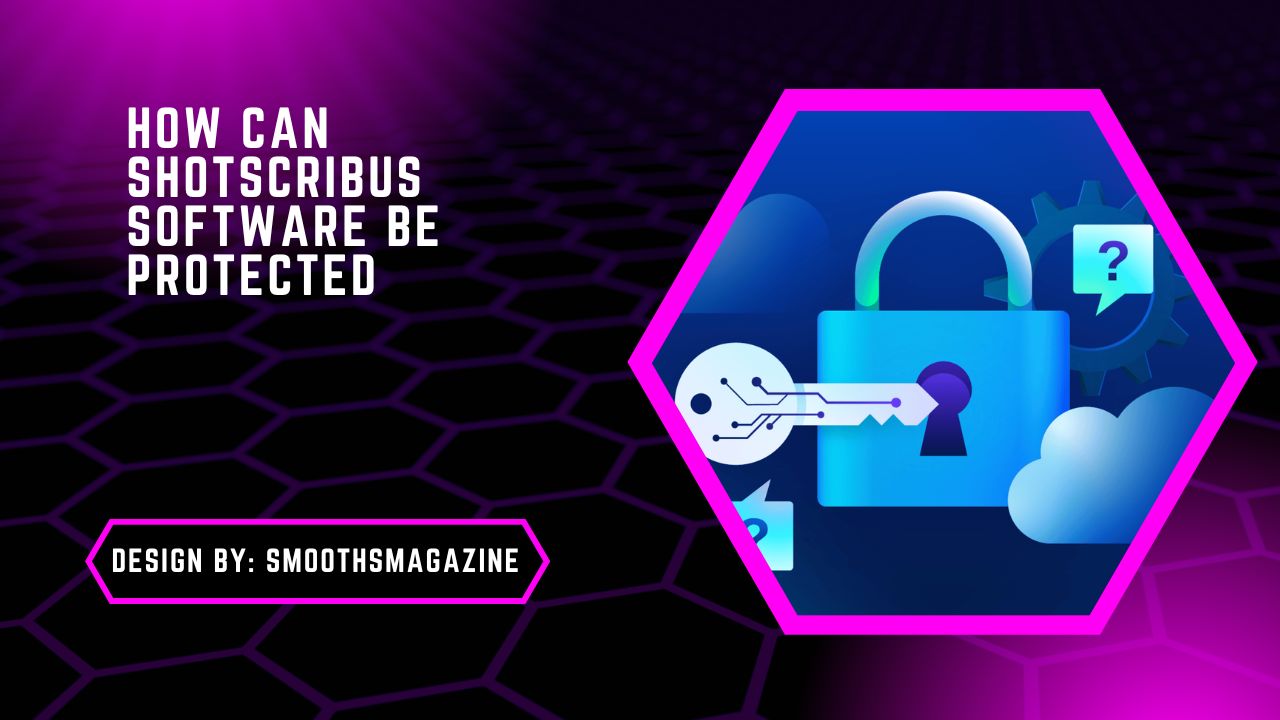
Shotscribus software can be protected through software licensing, encryption, access controls, multi-factor authentication, copyright protection, firewalls, regular updates, security monitoring, backups, and anti-piracy measures against cyber threats.
Software protection has become one of the most important concerns for developers, businesses, and technology companies. As cyber threats continue to evolve and software piracy remains a major challenge, many users ask: How can Shotscribus software be protected?
The answer involves a combination of cybersecurity measures, software licensing, intellectual property protection, access control systems, encryption technologies, and ongoing software maintenance. Whether you are a developer, software owner, or business leader, understanding Shotscribus software protection is essential for preventing unauthorized access, illegal copying, data theft, and revenue loss.
In this comprehensive guide, we will explain the best ways to protect software intellectual property, secure software systems, and implement a complete software protection strategy for modern applications.
What Is Shotscribus Software?
Before discussing how can Shotscribus software be protected, it is important to understand what software protection actually involves.
Shotscribus software refers to a software platform that may contain proprietary code, valuable data, business logic, and intellectual property. Like any modern software application, it can be vulnerable to:
- Software piracy
- Unauthorized access
- Data breaches
- Source code theft
- Reverse engineering
- Malware attacks
- License violations
Protecting these assets requires both technical and legal safeguards.
Why Does Software Protection Matters?
Many organizations invest thousands of hours and significant financial resources into software development. Without proper protection, software can become vulnerable to exploitation.
Effective software security helps:
- Protect intellectual property
- Prevent illegal copying
- Secure sensitive user data
- Maintain business reputation
- Reduce cybersecurity risks
- Ensure regulatory compliance
- Preserve software revenue
As software becomes increasingly valuable, software protection is no longer optional it’s a necessity.
How Can Shotscribus Software Be Protected?
The most effective approach combines multiple protection layers.
The best methods include:
- Software licensing
- Data encryption
- Copyright registration
- Firewall protection
- Access control systems
- Software updates
- Anti-piracy solutions
- Intellectual property protection
- Security monitoring
- Multi-factor authentication
Using several layers creates a stronger defense against cyber threats and unauthorized use.
Software Licensing: The First Line of Defense
One of the most effective software protection methods is software licensing.
Licensing helps developers control:
- Who can use the software
- How many installations are allowed
- Subscription terms
- Enterprise usage rights
- Access restrictions
Proper licensing reduces software piracy and helps prevent unauthorized distribution.
Benefits of Software Licensing
- Revenue protection
- User authentication
- Usage tracking
- Subscription management
- Compliance enforcement
Many organizations rely heavily on licensing systems as part of their complete software protection strategy.
Protecting Software from Illegal Copying and Piracy
A common question is: How can Shotscribus software be protected from piracy?
Software piracy remains a major challenge worldwide. Common anti-piracy methods include:
Product Activation
Users must activate the software using unique license keys.
Online License Verification
The software periodically verifies active licenses through secure servers.
Device Binding
Licenses become linked to specific hardware devices.
Subscription-Based Access
Cloud-based subscriptions reduce unauthorized software distribution.
These methods make illegal copying significantly more difficult.
Copyright Protection for Software
Copyright is one of the most important legal protections available.
Software copyright automatically protects:
- Source code
- User interfaces
- Documentation
- Design elements
- Original software content
Copyright protection gives software owners legal authority to pursue action against unauthorized copying.
Advantages of Copyright Protection
- Automatic protection upon creation
- Legal ownership recognition
- Infringement enforcement
- Strong intellectual property rights
This is why many experts recommend copyright registration as part of a complete software intellectual property protection strategy.
Software Patents and Intellectual Property Protection
For highly innovative software, patents may provide additional protection.
Patents can protect:
- Unique algorithms
- Technical processes
- Specialized software methods
- Novel software inventions
Unlike copyright, patents protect functionality rather than the actual code itself.
Benefits of Software Patents
- Competitive advantage
- Strong legal protection
- Increased company valuation
- Licensing opportunities
Businesses developing innovative technologies often use patents alongside copyright protection.
Trademark Protection for Software Brands
Software protection is not limited to source code.
Trademarks protect:
- Brand names
- Logos
- Product names
- Marketing identity
Trademark registration helps prevent competitors from using similar branding that could confuse users. This protection strengthens long-term business value.
Protecting Software Source Code Legally
Source code is often the most valuable asset within a software application. Protecting source code requires both technical and legal measures.
Legal Protection Methods
- Copyright registration
- NDA agreements
- Employment contracts
- Contractor agreements
- Intellectual property assignments
Technical Protection Methods
- Secure repositories
- Access controls
- Encryption
- Code obfuscation
- Version control systems
Combining these methods creates a stronger defense against theft and misuse.
Access Control and Authentication Systems
One of the most effective ways to secure Shotscribus software is through access control.
Access control determines:
- Who can access software systems
- What resources users can view
- What actions users can perform
Role-Based Access Control (RBAC)
Common user roles include:
- Administrator
- Manager
- Employee
- Customer
- Guest
Each role receives specific permissions. This reduces the risk of unauthorized access and insider threats.
Multi-Factor Authentication (MFA)
Passwords alone are no longer enough.
Multi-factor authentication adds additional verification layers such as:
- Mobile authentication apps
- SMS verification
- Biometric authentication
- Hardware security keys
MFA significantly improves software security and helps prevent account compromise.
Data Encryption for Maximum Protection
Encryption is one of the most powerful software security best practices.
Encryption protects data:
- During transmission
- During storage
- During backups
Even if attackers gain access to encrypted information, they cannot easily read it without the proper decryption keys.
Types of Encryption
- Data-at-Rest Encryption: Protects stored information.
- Data-in-Transit Encryption: Protects information while moving across networks.
- End-to-End Encryption: Provides maximum communication security.
Strong encryption is a critical part of protecting software from unauthorized access.
Firewall Protection and Network Security
Firewall protection acts as a security barrier between software systems and external threats.
Firewalls help:
- Block malicious traffic
- Restrict unauthorized access
- Monitor network activity
- Prevent cyberattacks
Many organizations also implement trusted IP configurations to limit access to approved networks.
Firewall protection remains one of the most effective cybersecurity measures available.
Anti-Tamper Protection Techniques
Attackers often attempt to modify software for illegal purposes.
Anti-tamper protection helps prevent:
- Reverse engineering
- Unauthorized modifications
- Software cracking
- License bypass attempts
Common anti-tamper techniques include:
- Code obfuscation
- Runtime protection
- Integrity verification
- Secure boot processes
These measures help protect software products from manipulation.
Importance of Regular Software Updates
Another critical answer to how can Shotscribus software be protected is maintaining regular software updates.
Software updates provide:
- Security patches
- Bug fixes
- Performance improvements
- Vulnerability mitigation
Cybercriminals frequently target outdated software because known vulnerabilities remain unpatched.
Benefits of Updating Software
- Improved security
- Better stability
- Enhanced performance
- Reduced attack surface
Regular updates are one of the simplest yet most effective protection methods.
Security Monitoring and Threat Detection
Modern software protection requires continuous monitoring.
Security monitoring systems help identify:
- Suspicious activity
- Failed login attempts
- Malware infections
- Unauthorized access attempts
- Network anomalies
Organizations often deploy automated threat detection tools to respond quickly to emerging risks. Real-time monitoring significantly strengthens software security.
Backup and Disaster Recovery Planning
Even highly secure software systems can experience failures.
Backup strategies help protect against:
- Ransomware attacks
- Hardware failures
- Data corruption
- Human error
Best practices include:
- Automated backups
- Cloud backups
- Offsite storage
- Backup testing
Reliable backup systems ensure business continuity during emergencies.
Open Source Components and Security
Many modern applications rely on open-source components.
While open-source software offers flexibility and cost savings, developers should:
- Verify package sources
- Monitor vulnerabilities
- Apply updates promptly
- Review code dependencies
Proper management of open-source components helps maintain a secure software ecosystem.
Step-by-Step Software Protection Strategy
For organizations seeking complete protection, follow this roadmap:
Step 1: Register Copyrights
Protect software ownership legally.
Step 2: Implement Licensing
Control software distribution.
Step 3: Enable Encryption
Protect sensitive data.
Step 4: Deploy Access Controls
Restrict unauthorized access.
Step 5: Activate Multi-Factor Authentication
Strengthen account security.
Step 6: Install Firewalls
Defend network infrastructure.
Step 7: Apply Security Updates
Patch vulnerabilities quickly.
Step 8: Monitor Activity
Detect threats proactively.
Step 9: Maintain Backups
Prepare for recovery scenarios.
Step 10: Protect Intellectual Property
Use patents, trademarks, and NDAs where appropriate.
This layered approach creates a comprehensive software protection framework.
Common Mistakes That Weaken Software Security
Organizations often make avoidable mistakes.
Examples include:
- Weak passwords
- Delayed updates
- Poor access controls
- Lack of backups
- Unencrypted data
- Inadequate monitoring
Addressing these weaknesses significantly improves overall protection.
Future Trends in Software Protection
Software security continues to evolve.
Emerging trends include:
- AI-powered threat detection
- Behavioral analytics
- Zero-trust security models
- Advanced encryption methods
- Cloud-native security solutions
- Automated compliance monitoring
Businesses that adopt modern security practices will be better positioned to defend their software assets.
FAQs:
1. How can Shotscribus software be protected from unauthorized access?
Shotscribus software can be protected from unauthorized access by implementing strong passwords, role-based access controls, multi-factor authentication, user verification systems, and continuous monitoring. These security measures reduce the risk of unauthorized users gaining access to sensitive software resources and data.
2. Why is software licensing important for software protection?
Software licensing helps control who can use the software, how many devices can access it, and under what conditions. It reduces piracy, protects revenue, enables subscription management, tracks usage, and ensures users comply with legal software agreements.
3. What role does encryption play in protecting software?
Encryption safeguards sensitive information by converting data into unreadable formats that require decryption keys. It protects stored data, transmitted information, backups, and user communications, making it difficult for cybercriminals to access or misuse confidential information.
4. How do regular software updates improve security?
Regular software updates fix vulnerabilities, patch security flaws, improve performance, and address newly discovered threats. Keeping software updated reduces the attack surface and helps protect systems from malware, ransomware, hacking attempts, and other cybersecurity risks.
5. What is the best software protection strategy for businesses?
The best strategy combines multiple security layers, including licensing, encryption, access controls, firewalls, monitoring tools, backups, copyright protection, and employee security training. A layered approach provides stronger defense against cyber threats, software piracy, and data breaches.
Conclusion
Protecting Shotscribus software requires a comprehensive approach that combines technical security measures with legal protections. Software licensing, encryption, access controls, multi-factor authentication, firewalls, and regular updates work together to secure valuable software assets. Businesses should also invest in copyright protection, intellectual property management, security monitoring, and reliable backup systems. By implementing a layered software protection strategy, organizations can reduce cyber risks, prevent piracy, safeguard sensitive data, and ensure long-term software reliability and business success.