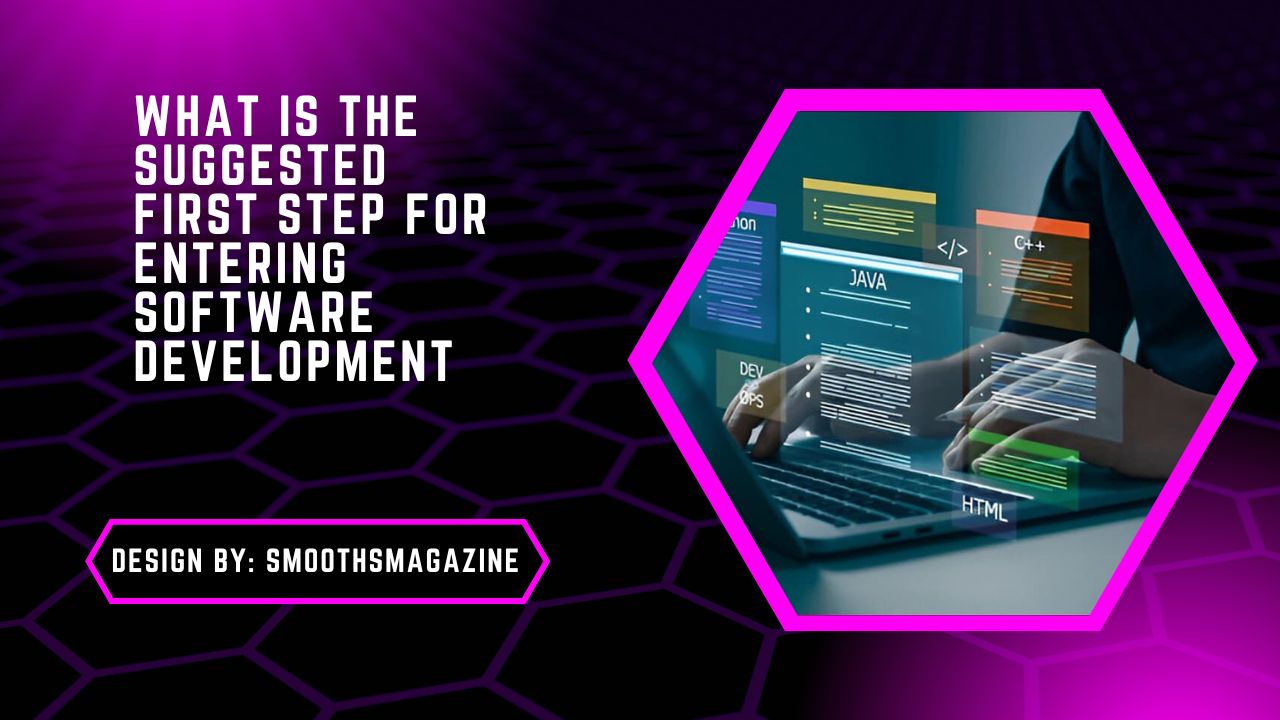
What Is The Suggested First Step For Entering Software Development
The suggested first step for entering software development is learning programming fundamentals with a beginner-friendly language like Python or JavaScript, while practicing consistently through small, real-world projects.
Entering software development can feel overwhelming at first. With countless programming languages, learning platforms, career paths, and advice available online, beginners often struggle with one simple question: what is the suggested first step for entering software development?
This in-depth guide goes beyond surface-level advice. It explains why programming fundamentals matter, how to choose your first programming language, what mistakes beginners must avoid, and how to follow a proven 30-60-90 day roadmap. Whether you are a student, career switcher, or self-learner, this article will give you a clear, structured, and realistic entry into software development.
Understanding Software Development Before You Begin
Before learning your first line of code, it’s important to understand what software development actually is. Software development is the process of designing, building, testing, and maintaining applications that solve problems. These applications can range from websites and mobile apps to enterprise systems and AI tools. At its core, software development combines logic, creativity, and problem-solving.
Many beginners make the mistake of jumping directly into advanced topics without understanding the basics. This often leads to confusion, burnout, and eventually quitting. That is why the first step in software development must always focus on fundamentals rather than tools or trends.
The Suggested First Step for Entering Software Development

The suggested first step for entering software development is to learn programming fundamentals using a beginner-friendly programming language, while practicing consistently through small projects.
This step includes three critical components:
- Choosing the right first programming language
- Learning core programming concepts
- Applying knowledge through hands-on practice
Skipping any of these elements weakens your foundation and slows your progress later.
Why Programming Fundamentals Matter?
Programming basics are the constructing blocks of all software. No matter which language or career path you choose, these core concepts remain the same.
Essential Programming Fundamentals
- Variables and data types
- Conditional statements (if/else logic)
- Loops (for, while)
- Functions and methods
- Basic data structures (arrays, lists, dictionaries)
- Problem-solving and logical thinking
Understanding these concepts helps you think like a developer, not just memorize syntax.
Choosing a Beginner-Friendly Programming Language
One of the most common questions beginners ask is: what is the first programming language to learn for software development?
While there is no single “perfect” language, the best beginner-friendly programming languages share these traits:
- Simple syntax
- Large learning community
- Real-world applications
- Strong career relevance
Best Programming Languages for Beginners
Python
Python is widely considered the best language for beginner programming.
- Easy to read and write
- Used in web development, AI, data science, and automation
- Encourages clean coding practices
Python allows beginners to focus on logic and problem-solving, rather than complex syntax.
JavaScript
JavaScript is essential for web development.
- Runs in every browser
- Ideal for interactive websites
- High demand in the job market
If your goal is front-end or full-stack development, JavaScript is a strong choice.
Pro Tip: Do not learn multiple languages at once. Pick one and stick with it until you understand the basics.
Learning to Code the Right Way (Not the Fast Way)
Many beginners search for shortcuts, but software development rewards consistency, not speed.
Effective Learning Methods
- Structured online courses
- Interactive coding platforms
- Documentation reading
- Guided tutorials
- Practice exercises
Avoid passive learning. Watching videos without writing code creates a false sense of progress. The best way to learn coding is by writing, breaking, and fixing code.
Practice by Building Small Projects
Practice is what transforms beginner programming knowledge into real skill.
Beginner Project Ideas
- Simple calculator
- To-do list app
- Number guessing game
- Personal portfolio website
- Basic blog system
Projects help you:
- Apply programming fundamentals
- Understand real-world logic
- Build confidence
- Create a beginner developer portfolio
Understanding the Business Value of Software

Software is built to:
- Solve problems
- Save time
- Increase efficiency
- Improve customer experience
- Generate revenue
When beginners understand how software delivers business value, they make better learning decisions. This mindset helps you choose projects, technologies, and career paths strategically.
Common Mistakes Beginners Should Avoid
Avoiding beginner mistakes can save months of frustration.
Top Mistakes
- Learning too many languages at once
- Skipping fundamentals
- Copy-pasting code without understanding
- Avoiding debugging
- Comparing yourself to experienced developers
- Not practicing regularly
A Clear 30-60-90 Day Roadmap for Beginners
First 30 Days
- Choose one programming language
- Learn programming fundamentals
- Write basic scripts daily
- Understand syntax and logic
Next 60 Days
- Build small projects
- Learn basic debugging
- Understand version control (Git basics)
- Practice problem-solving
Next 90 Days
- Build 2–3 complete projects
- Improve code structure
- Learn basic algorithms
- Create a simple portfolio
This roadmap gives beginners direction and motivation.
Free vs Paid Learning Paths
Another overlooked topic is cost.
Free Learning Resources
- Documentation
- YouTube tutorials
- Open-source projects
- Community forums
Paid Learning Resources
- Structured courses
- Mentorship programs
- Bootcamps
Free assets are tremendous for beginners. Paid resources become useful when you need structure and accountability.
Using AI Tools as a Beginner Developer
AI is changing how people learn software development.
How Beginners Can Use AI?
- Understanding error messages
- Generating practice problems
- Learning syntax examples
- Improving code readability
AI ought to help learning, now no longer update it. Beginners who rely entirely on AI without understanding fundamentals struggle later.
Exploring Career Paths in Software Development

Once you understand the basics, explore different paths:
- Web development
- Mobile app development
- Software engineering
- Game development
- Data science
- AI and machine learning
Do now no longer rush this decision. The goal of beginner learning is exposure, not specialization.
Building Confidence as an Entry-Level Developer
Confidence grows from:
- Consistent practice
- Solving problems independently
- Completing projects
- Learning from mistakes
Every skilled developer commenced precisely wherein you’re now.
FAQs:
1. Why are programming fundamentals important for beginners?
Programming fundamentals help beginners understand how software works at its core. They improve logical thinking, problem-solving skills, and make it easier to learn new programming languages, frameworks, and technologies later in a software development career.
2. Which programming language is best for beginners in software development?
Python and JavaScript are the best beginner-friendly programming languages. Python offers simple syntax and versatility, while JavaScript is essential for web development and interactive applications, making both ideal first choices for beginners.
3. How long does it take to learn the basics of software development?
With consistent practice, beginners can learn basic programming concepts within 2–3 months. Following a structured 30-60-90 day roadmap helps build fundamentals, confidence, and practical experience without feeling overwhelmed.
4. Should beginners focus on theory or projects first?
Beginners should balance both. Learning theory builds understanding, while projects apply knowledge in real scenarios. Small projects reinforce programming fundamentals, improve confidence, and help beginners transition from learning to real software development.
5. Can beginners use AI tools while learning software development?
Yes, beginners can use AI tools to understand errors, generate examples, and improve code readability. However, AI should support learning—not replace understanding programming fundamentals and problem-solving skills.
Conclusion
Entering software development does not require advanced skills or expensive tools at the start. The key is building a strong foundation by learning programming fundamentals, choosing a beginner-friendly language, and practicing consistently through small projects. By avoiding common mistakes, following a clear roadmap, and understanding how software creates value, beginners can confidently start their journey and grow into skilled developers over time.


Hi, this is a comment.
To get started with moderating, editing, and deleting comments, please visit the Comments screen in the dashboard.
Commenter avatars come from Gravatar.