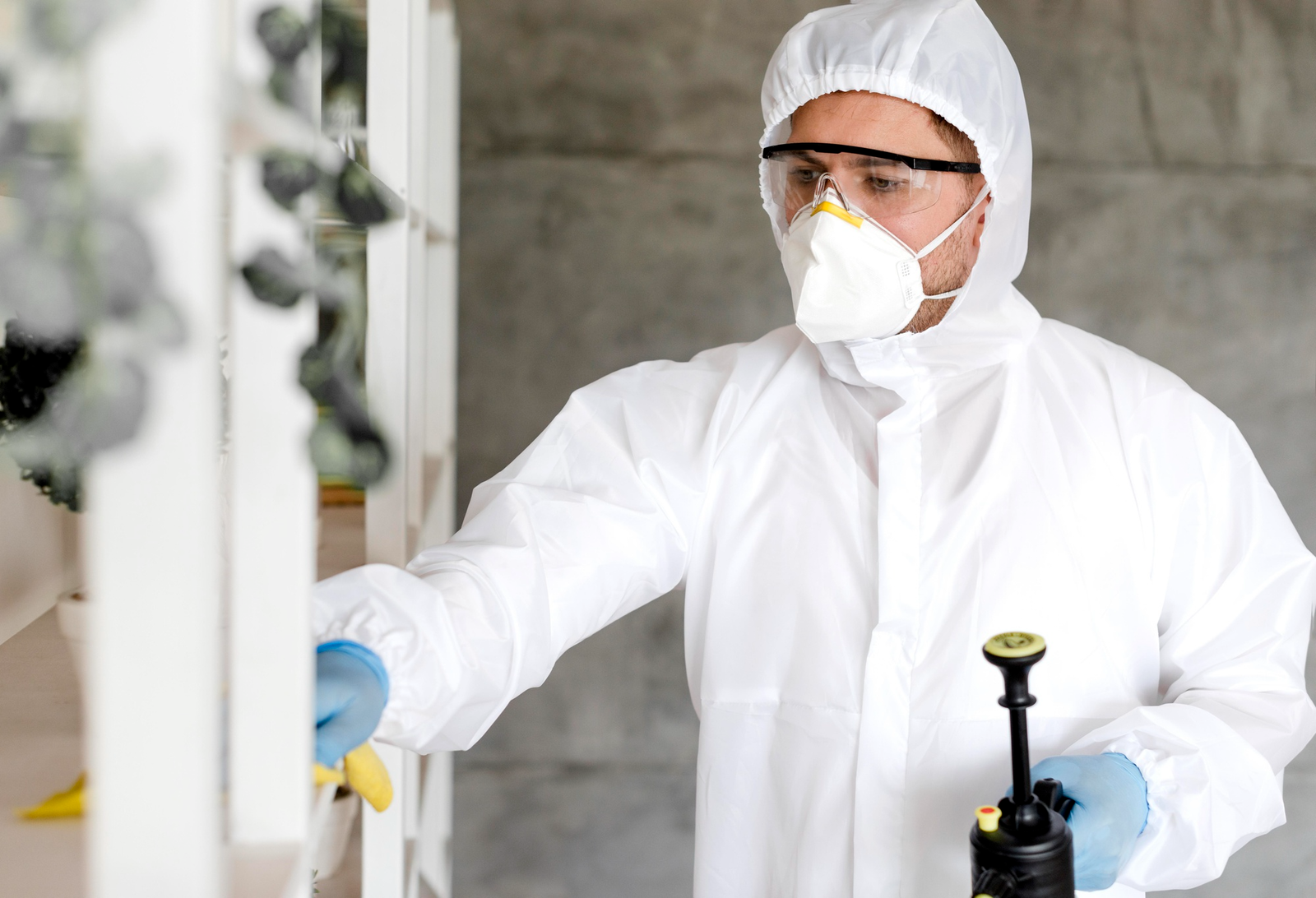
The Benefits of Professional Mould and Air Quality Assessments
Hidden mould and poor air quality trigger respiratory issues and costly WHS compliance penalties for building managers. Professional assessments solve this by using advanced thermal imaging and NATA-accredited testing to pinpoint invisible moisture pockets, delivering targeted, legally defensible remediation strategies.
Key Takeaways
- Invisible Threats Identified: Professional assessments uncover hidden moisture pockets and airborne spores that visual DIY inspections completely miss
- Legal Compliance Secured: Accredited testing ensures compliance with strict Australian WHS laws, protecting building managers from severe liabilities
- Targeted Cost Savings: Empirical data allows for precise remediation boundaries, preventing expensive, unnecessary structural tear-outs during cleanup
Australia’s highly varied climate zones range from the intense tropical humidity of Queensland to seasonal coastal dampness in Western Australia, NSW, or Victoria. These are the prime reasons behind indoor mould and bacteria growth.
For building owners, asset managers, employers, and occupants, indoor air quality management is no longer a secondary facilities issue. It is a critical operational parameter and core compliance requirement.
And to meet the compliance standards, professional assessment and remediation services are the ones that actually offer you benefits. This blog will explain those benefits for you.
| ⚠️ Under Australia’s strict WHS laws and EPA equivalents, building owners and managers (PCBUs) carry a legal duty to maintain safe indoor air. Undetected mould can mean non-compliance, not just an aesthetic issue. |
Why Mould and Air Quality Issues Go Undetected
In many cases, even the most serious mould infestations and indoor air quality degradation remain completely invisible to the naked eye. Relying on casual mould testing in Sydney, or any city, can lead to uncontrolled growth, resulting in a hazardous condition because mould infections hide in:
- Hidden Moisture Pockets: Fungal colonies thrive out of sight within building interstitial spaces, including drywall cavities, ceiling plenums, subfloor voids, and behind built-in cabinetry.
- Poor Ventilation Zones: Modern, sealed building envelopes rely heavily on HVAC systems. If they have inadequate outdoor air intake or unbalanced pressure, they create stagnant zones where CO2, VOCs, and moisture accumulate.
- Musty Odours vs. Visible Growth: Microbial Volatile Organic Compounds (mVOCs) released by actively growing fungi produce a distinct earthy or musty smell long before visible mycelial mats appear on external surfaces.
- Seasonal Humidity Spikes: Rapid, seasonal shifts in external humidity overwhelm localised climate control systems, triggering rapid, widespread spore germination.
Key Benefits of Professional Assessment
Hiring certified environmental site services and consultants to conduct accredited indoor air quality audits gets you distinct operational, financial, and legal advantages.
- Early Detection and Damage Mitigation: Identifying moisture incursions early prevents minor condensation issues from developing into extensive dry rot, structural timber degradation, or compromised drywall integrity.
- NATA-Accredited Data and Empirical Metrics: Professional assessment samples are analysed by National Association of Testing Authorities (NATA) accredited laboratories to identify specific fungal genera and exact airborne spore counts.
- Legal and WHS Compliance Security: Comprehensive documentation establishes a clear paper trail demonstrating that building management has fulfilled its regulatory duty of care, providing vital legal protection.
- Preservation of Property Capital Value: Proactive environmental management maintains asset valuation, prevents long-term structural liability, and protects the marketability of commercial spaces.
- Targeted Scope of Remediation: Definitively pinpointing the root cause and boundary lines of contamination allows consultants to develop an accurate Scope of Work, avoiding costly, unnecessary tear-outs.
| 📝 An office complex in Perth reporting occupant headaches used air sampling to confirm elevated spore counts behind HVAC ducting, enabling targeted remediation before it triggered a WHS complaint. |
Why Professional Site Assessment Services Deliver Better Results Over DIY Mould Check
Here’s why relying on professionals is the best and safest decision.
| Factor | DIY/Visual Check | Professional Assessment |
| Detection scope | Visible surfaces only | Hidden cavities, subfloors, HVAC via moisture mapping + thermal imaging |
| Data accuracy | Subjective | Lab-verified via NATA-accredited testing |
| Legal standing | Not admissible/compliant | Supports WHS, respective EPA health act compliance documentation, IICRC S520 Standard for Professional Mould Remediation, or the Australian Government’s Indoor Air Quality Guidelines |
| Sampling types | None | Surface, air, swab, bulk sampling |
| Outcome | Guesswork remediation | Risk-assessed, targeted recommendations |
Table 1: DIY Mould Check vs Professional Assessment
When Do You Need a Professional Assessment?
There are certain cases when you cannot evade hiring a professional service for mould testing in Sydney or any other city. Here are the signs to look out for:
| Trigger | Why It Matters |
| Musty odour without visible mould | Indicates hidden growth behind walls/ceilings |
| Occupant respiratory complaints/allergies | Potential IAQ hazard requiring documentation |
| Past water damage/leaks | High risk of moisture pockets and mould colonisation |
| Poor ventilation zones | Elevated humidity accelerates spore growth |
| Pre-lease/pre-purchase due diligence | Avoids inheriting undisclosed contamination liability |
Table 2: Signs You Need a Professional Assessment
The Typical Mould Assessment and Air Monitoring Process
Australian environmental services implement a highly systematic assessment methodology aligned with international best practices and Australian standards:
- Initial Site Inspection & Moisture Mapping: Advanced infrared thermal imaging, calibrated moisture meters, and visual diagnostics to locate the exact sources of moisture ingress.
- Scientific Sampling: Air testing in Sydney and all other cities is done by collecting targeted surface sampling, swab sampling, tape lifts, and ambient air samples (both indoor and outdoor control samples) to measure the type and concentration of airborne contaminants.
- Laboratory Analysis & Risk Assessment: Samples undergo rigorous analysis at NATA-accredited laboratories to identify specific fungal species and evaluate overall health risks.
- Reporting & Actionable Recommendations: Delivering a comprehensive, legally compliant report that details all laboratory findings and provides a step-by-step remediation plan to safely restore indoor air quality.
Conclusion
So, other than legal compliance, professional mould and air testing in Sydney and other cities also helps keep the people residing in the building safe and healthy. Professionals can find and remediate them better than you can due to the advanced tools and metrics they use.
If You Smell Something Musty or Find Moisture and Ventilation Issues, Check for Mould
Hire a trusted and government-accredited site assessment and remediation service to get your building inspected and avoid legal penalties and health risks.