What is Smoke Testing in Software Testing – Complete Guide!
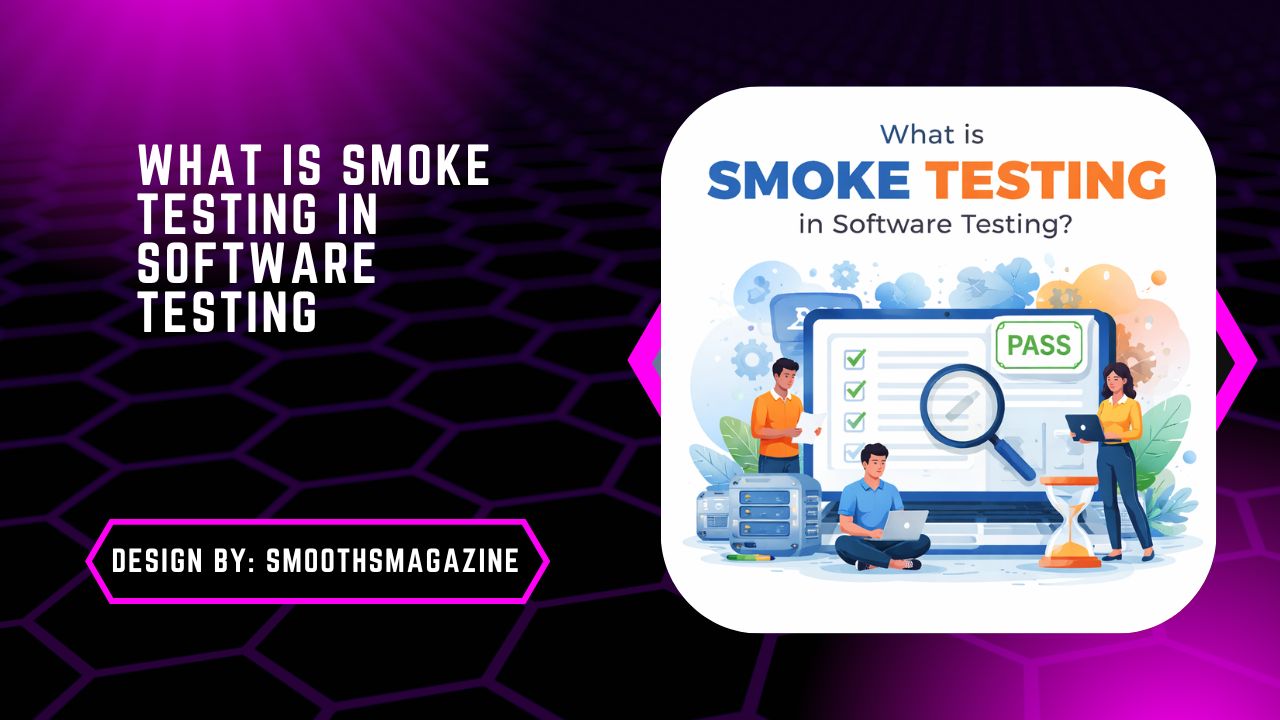
Smoke testing is a preliminary software testing method that verifies critical functions of a new build to ensure stability. It provides a quick pass-or-fail decision before deeper functional or regression testing begins.
Smoke trying out is one of the most crucial early-degree trying out practices in cutting-edge software program development. If you have ever searched “What is smoke testing in software testing with example”, this guide will give you a clear, detailed, and practical answer optimized for both beginners and professionals.
What Is Smoke Testing in Software Testing?
Smoke testing is a preliminary software testing method used to verify that the most critical functions of a new software build are working properly. It guarantees the construct is strong sufficient for in addition testing.
It is also known as:
- Build Verification Testing (BVT)
- Confidence Testing
- Build Stability Testing
In simple words:
Smoke testing checks whether the basic and critical functionality of a software application works after a new build or deployment.
If the build passes smoke testing, it moves forward to deeper testing such as functional testing or regression testing. If it fails, it is sent back to developers immediately.
Why Is It Called Smoke Testing?
The term “smoke testing” comes from hardware engineering.
When engineers powered on a new device for the first time, they checked if smoke came out of the hardware. If there was no smoke, the device passed the basic test.
Similarly, in software:
- If the application launches
- Core features respond
- No critical crash occurs
Then the construct is taken into consideration stable. It doesn’t mean the software is perfect it only means it is not fundamentally broken.
Smoke Testing in Software Development Lifecycle (SDLC)
Smoke testing is performed early and frequently in the Software Development Lifecycle (SDLC).
It typically occurs:
- After a new build is created
- After code is merged
- After deployment to staging
- Inside a CI/CD pipeline
In modern Agile methodology and DevOps environments, smoke testing is often automated and triggered after every build. This prevents unstable builds from moving forward and saves time in the QA process.
Key Characteristics of Smoke Testing
Smoke testing has specific characteristics that differentiate it from other testing types.
1. Broad but Shallow Coverage
It covers many modules but only checks high-level functionality.
2. Fast Execution
Smoke tests run quickly usually within minutes.
3. Go/No-Go Decision
It provides a simple outcome:
- Pass → Continue testing
- Fail → Fix immediately
4. Performed Early and Often
It runs after each build deployment.
5. Focus on Critical Functionality
It validates:
- Application launch
- Database connection
- Login functionality
- Core workflows
Types of Smoke Testing
There are two main types of smoke testing:
1. Manual Smoke Testing
- Performed manually by QA engineers.
- Best for small projects or early-stage applications.
2. Automated Smoke Testing
- Performed using automation frameworks.
- Ideal for CI/CD pipelines and large projects.
Automated smoke testing ensures continuous testing without human intervention.
Smoke Testing Process (Step-by-Step)
Here is the standard smoke testing process in SDLC:
Step 1: Build Deployment
Developers deploy a new build to the testing environment.
Step 2: Identify Critical Test Cases
QA team selects test cases covering major features.
Step 3: Execute Smoke Tests
Tests are run manually or automatically.
Step 4: Analyze Results
- If all tests pass → Build is stable.
- If any critical test fails → Build is rejected.
Step 5: Report Defects
Defects are logged and sent back to developers.
This simple but powerful process prevents unstable builds from entering deeper regression testing cycles.
Examples of Smoke Test Cases
If you’re searching for smoke testing with example, here are practical examples for different applications.
Example 1: Web Application Smoke Test
- Application launches successfully
- Homepage loads correctly
- User can log in with valid credentials
- Navigation menu works
- Logout functionality works
- Database connection is established
Example 2: E-commerce Application
- User can search for a product
- Add product to cart
- Checkout page loads
- Payment gateway connects
Example 3: API Smoke Testing
- API endpoint responds with 200 status code
- Authentication works
- Basic CRUD operations function
These test cases verify system stability without testing every edge case.
Smoke Testing vs Sanity Testing
Many beginners confuse smoke testing vs sanity testing.
Here is a clear comparison:
| Feature | Smoke Testing | Sanity Testing |
| Purpose | Check build stability | Verify specific functionality |
| Coverage | Broad | Narrow |
| Depth | Shallow | Deep |
| Timing | After new build | After bug fix |
| Automation | Often automated | Usually manual |
Smoke testing ensures the build works. Sanity testing ensures a specific bug is fixed.
Smoke Testing vs Regression Testing
Another common question: Smoke testing vs regression testing.
| Feature | Smoke Testing | Regression Testing |
| Scope | Basic functionality | Entire system |
| Time | Short | Long |
| Goal | Build validation | Detect new defects |
| Execution | After each build | After changes |
Regression testing is comprehensive. Smoke testing is a quick build validation.
Who Performs Smoke Testing?
Smoke testing can be performed by:
- Developers (before committing code)
- QA engineers (after build deployment)
- Automation systems in CI/CD pipelines
In Agile development, smoke tests are often integrated into continuous integration tools.
Smoke Testing in CI/CD Pipeline
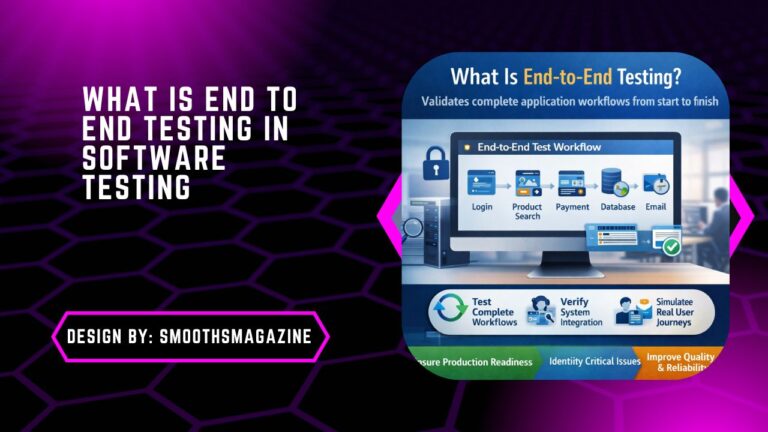
In modern DevOps environments, smoke testing is automated and integrated into CI/CD pipelines. Workflow:
- Developer pushes code
- CI tool builds application
- Automated smoke tests execute
- If tests fail → build stops
- If tests pass → deployment continues
This ensures production readiness and prevents unstable releases. Smoke testing plays a key role in:
- Continuous integration
- Continuous delivery
- Cloud deployment workflows
Tools Used for Smoke Testing Automation
Here are the most commonly used smoke testing automation tools:
🔹 Selenium
Selenium
Popular for web application testing.
🔹 Cypress
Cypress
Fast and developer-friendly.
🔹 Postman
Postman
Used for API smoke testing.
🔹 JUnit
JUnit
Used for unit and integration smoke tests.
🔹 pytest
pytest
Popular for Python-based projects.
Automation frameworks reduce manual effort and support continuous testing strategies.
Advantages of Smoke Testing
- Detects critical defects early
- Saves time and cost
- Prevents unstable builds
- Improves software quality assurance
- Speeds up release cycle
- Enhances team confidence
Disadvantages of Smoke Testing
- Does not test deep functionality
- May miss minor defects
- Requires maintenance in automation
- Limited coverage
Smoke testing is not a replacement for regression testing it is a gatekeeper.
Smoke Testing Checklist (Practical Template)
Here is a basic smoke testing checklist:
- ☑ Application launches
- ☑ Database connects
- ☑ User authentication works
- ☑ Core workflows execute
- ☑ No critical crash
- ☑ API endpoints respond
- ☑ Error messages display properly
You can customize this checklist based on your application.
Common Mistakes in Smoke Testing
- Including too many test cases (turning it into regression testing)
- Not automating repetitive smoke tests
- Ignoring failed smoke tests
- Running smoke tests too late
- Not updating test scripts after UI changes
Keep smoke testing simple and focused.
Smoke Testing Interview Questions
Here are popular smoke testing interview questions:
1. What is smoke testing in software testing?
Smoke testing verifies critical functionality of a new build to ensure it is stable for further testing.
2. Why is it called smoke testing?
It originates from hardware testing where devices were checked for smoke after powering on.
3. Smoke testing vs sanity testing?
Smoke testing checks overall stability; sanity testing checks specific bug fixes.
4. When is smoke testing performed?
After every new build or deployment.
5. Can smoke testing be automated?
Yes, it is commonly automated in CI/CD pipelines.
Best Practices for Effective Smoke Testing
- Automate smoke tests
- Keep test suite small
- Run after every build
- Focus on business-critical functionality
- Integrate with CI tools
- Review and update regularly
Following these best practices ensures smooth build validation.
FAQs:
1. What is the main purpose of smoke testing?
The main purpose of smoke testing is to validate that the most important and critical features of a new software build are functioning correctly. It ensures the build is stable enough for further testing and prevents wasting time on unstable releases.
2. When is smoke testing performed in SDLC?
Smoke testing is performed after a new build is created, code is merged, or deployment occurs in staging. In Agile and DevOps environments, it often runs automatically inside CI/CD pipelines after every build integration.
3. What is the difference between smoke testing and regression testing?
Smoke testing checks only critical functionalities to validate build stability, while regression testing verifies the entire system to ensure new changes haven’t affected existing features. Smoke testing is quick and shallow; regression testing is detailed and comprehensive.
4. Can smoke testing be automated?
Yes, smoke testing is commonly automated using tools like Selenium, Cypress, Postman, JUnit, and pytest. Automation allows smoke tests to run quickly after every build within CI/CD pipelines, ensuring continuous integration and faster feedback.
5. Who is responsible for performing smoke testing?
Smoke testing can be performed by developers before committing code, QA engineers after build deployment, or automated systems within CI/CD pipelines. In modern software development, automation frameworks frequently handle smoke testing execution automatically.
Conclusion
Smoke testing is a critical early-stage testing approach that validates the stability of a new software build by checking essential functionality. It acts as a gatekeeper in the software development lifecycle, preventing unstable builds from progressing to deeper testing phases. By integrating smoke testing into CI/CD pipelines and automating key test cases, teams improve efficiency, reduce defects, and accelerate release cycles. Although it offers limited coverage, smoke testing plays a vital role in maintaining overall software quality and system stability.